Condensing Gas Boilers
High-efficiency heating solutions for industrial and commercial applications
Our Product Series
Two distinct condensing gas boiler series to match your project scale
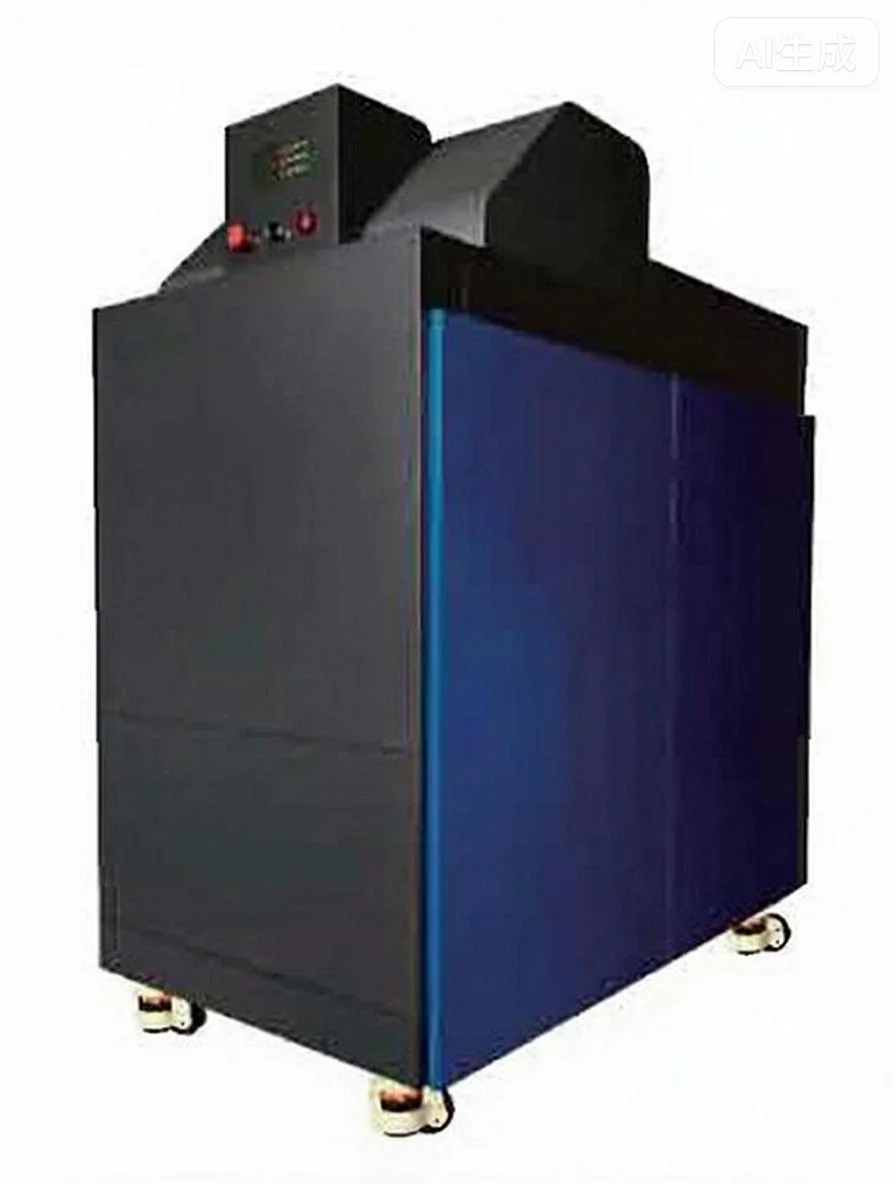
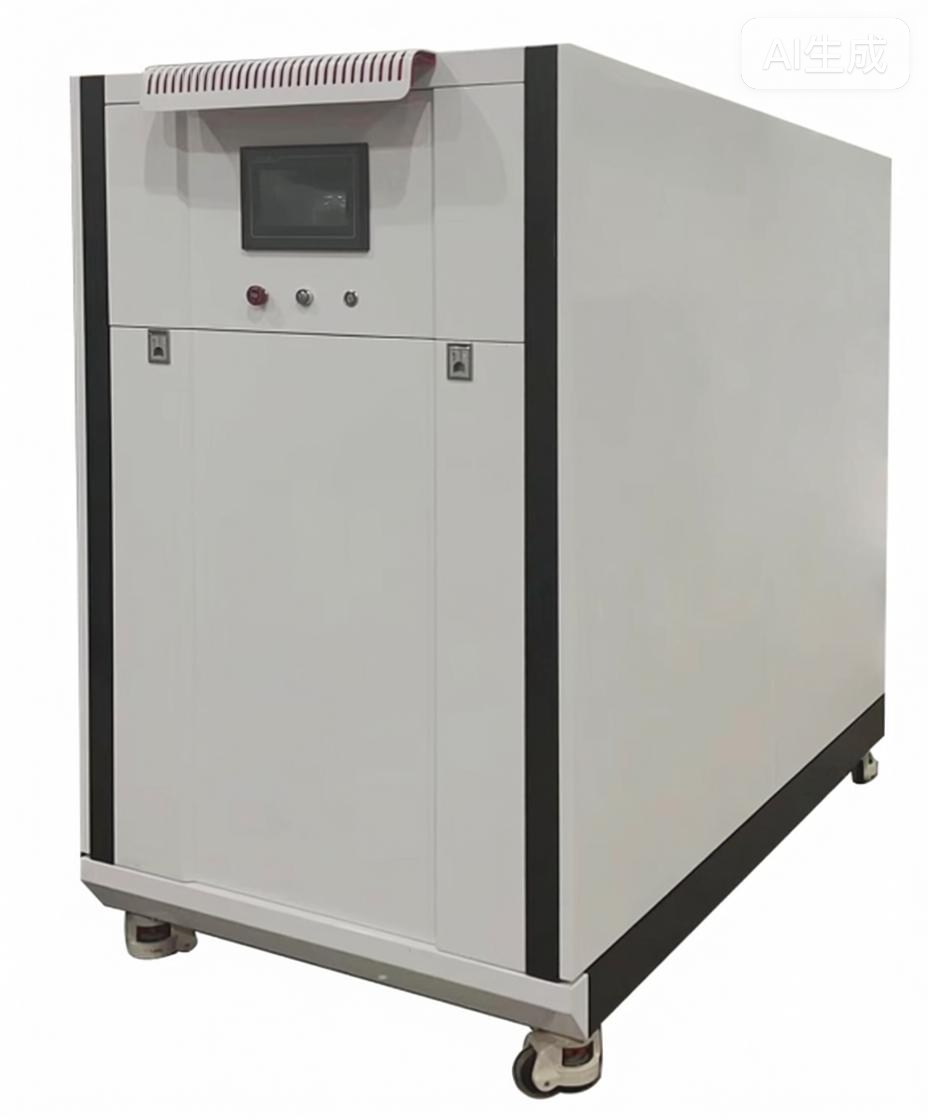
Not sure which series fits your project? Contact our engineers for a free consultation →
Condensing Technology
Understanding how high-efficiency condensing boilers work
How a Condensing Gas Boiler Works
A condensing hot water boiler is equipped with a flue gas heat exchange system that lowers exhaust gas temperature and recovers latent heat from condensed water vapor in the flue gas. The higher the water vapor content in the flue gas, the more latent heat is recycled — natural gas is rich in hydrogen, generating substantial water vapor after combustion.
Main component of natural gas: Methane (CH₄)
Combustion reaction: CH₄ + 2O₂ → CO₂ + 2H₂O(g) + 8600 kcal
When 1m³ of natural gas fully combusts, it produces 2m³ of gaseous water vapor and releases 8600 kcal of heat. Total heat released reaches approximately 880 kcal if all water vapor in the flue gas is condensed. The condensate liquid produced during this process is safely discharged via the integrated drainage system, requiring only standard plumbing connections.
Thermal Efficiency: Why It Can Exceed 100%
Condensing boilers recover heat that conventional boilers waste. Two mechanisms drive the efficiency gain:
- Reduced flue gas exhaust temperature cuts sensible heat loss, boosting efficiency by 3%~5%. By lowering the exhaust temperature to as low as 40–50°C, the boiler minimizes sensible heat loss and ensures stable performance even under variable load conditions.
- Latent heat recovery from condensed flue-gas steam adds another 5%~10%.
Total comprehensive efficiency improvement: 8%~15%, greatly reducing energy consumption.
The key: conventional boilers calculate efficiency against Net Calorific Value (NCV = 8600 kcal/Nm³), which excludes latent heat. Condensing boilers recover that extra latent heat (880 kcal/m³), so efficiency is measured against Gross Calorific Value (GCV = 9480 kcal/Nm³).
Maximum efficiency: η = Recovered Total Heat / NCV × 100% = up to 110%
This is not "free energy" — it is simply counting heat that was always there but previously vented to the atmosphere.
Calorific Value Reference: Sensible heat per 1m³ natural gas: 31669 kJ/m³ | Latent heat: 3427 kJ/m³
Operating Conditions & System Design
Condensing boilers achieve maximum efficiency when the return water temperature is below 50°C, allowing flue gas to condense within the heat exchanger. In typical space heating applications, system design should account for this to ensure the boiler operates in condensing mode for the majority of its runtime.
Applications include domestic hot water preparation and space heating. Unlike a heat only boiler which requires a separate hot water cylinder, our combo boiler configuration integrates both functions in a single unit, saving space and installation cost. Both heat only and combo configurations are available depending on project requirements.
Belitto Condensing Boiler Series
TBLN Series (60–2800kW): Compact footprint, suitable for residential and light commercial applications. Equipped with high-efficiency Al-Mg-Si heat exchanger. All units deliver high efficiency condensing boiler performance with SEDBUK seasonal efficiency ratings among the highest in class.
TBYG Series (3500–7000kW): Designed for large-scale commercial and district heating applications. Compatible with cascade control systems for modular capacity scaling. Ultra-low NOx emission burners comply with stringent environmental standards.
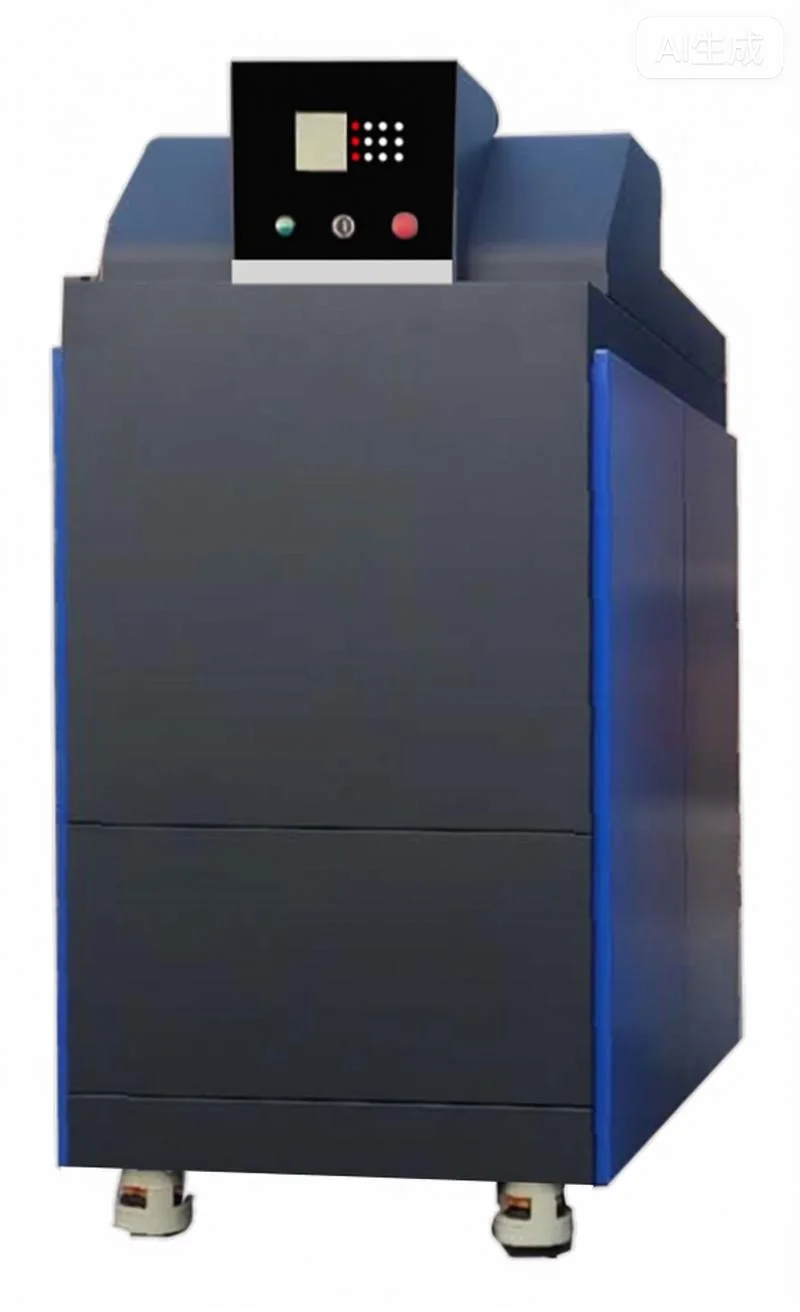
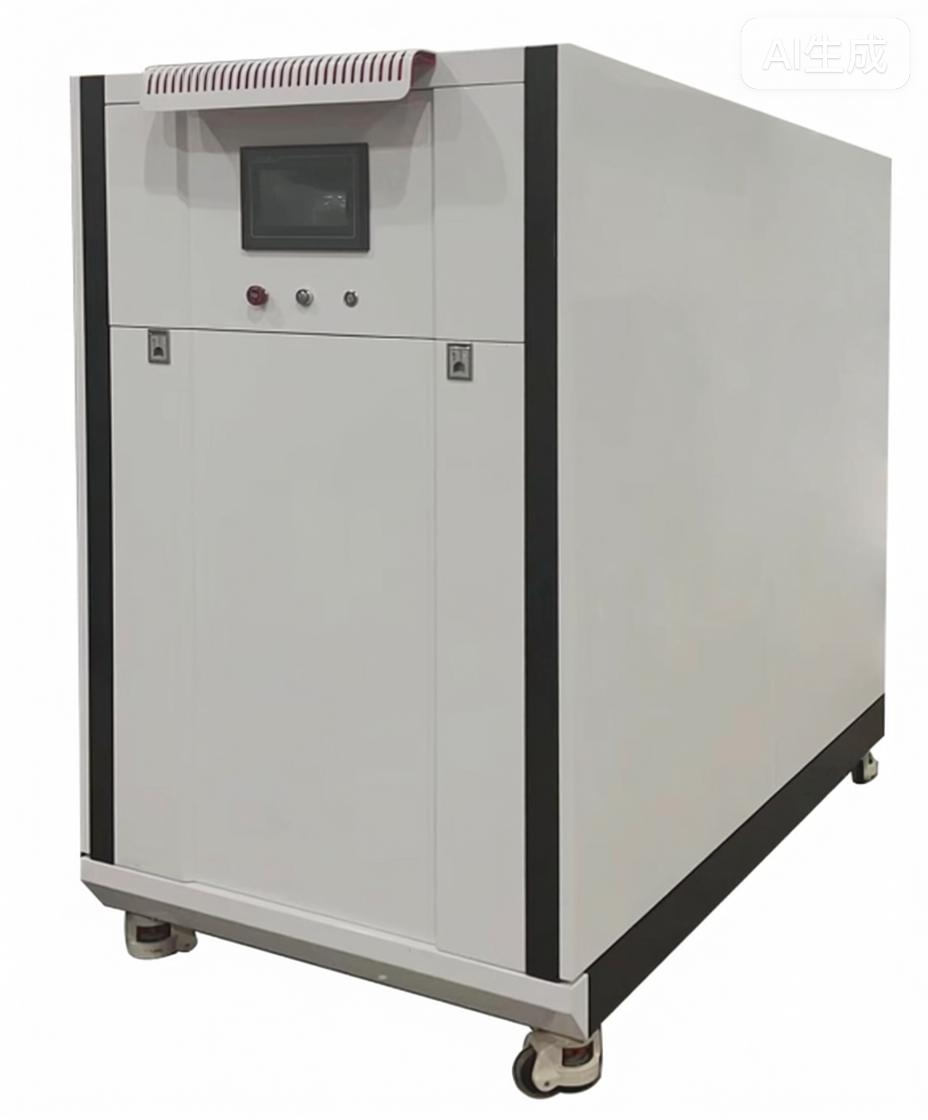
Product Gallery
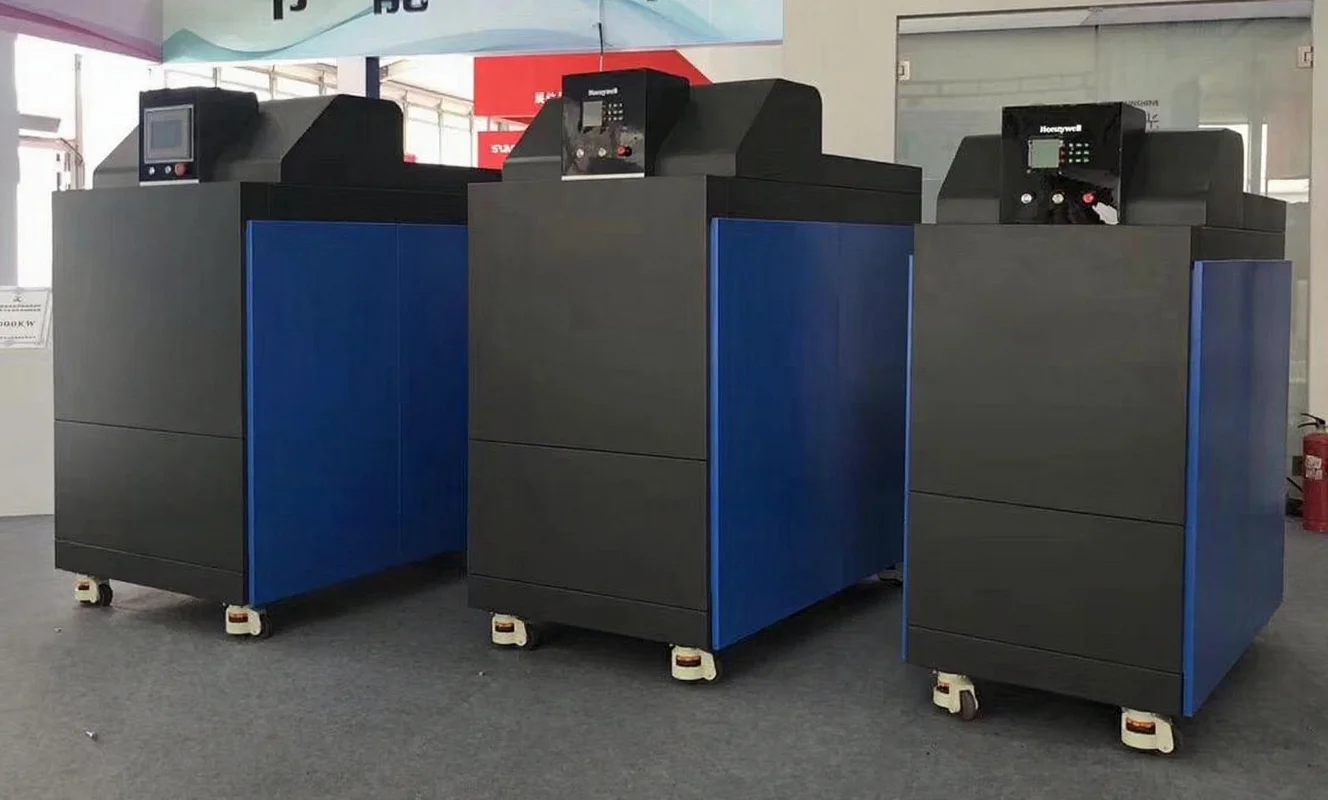
Condensing gas boiler series
Water Quality Requirements & Condensate Drainage
Essential guidelines for maintaining condensing gas boiler performance and longevity
Water Quality Requirements for Condensing Gas Boilers
Proper water quality is critical to maintaining the 30-year design life of Belitto condensing gas boilers. The aluminium-magnesium-silicon (Al-Mg-Si) heat exchanger requires specific water chemistry to prevent scaling, corrosion, and efficiency degradation. When the gas condensing boiler water requirement is not met, mineral deposits accumulate on heat transfer surfaces, reducing thermal efficiency and potentially causing premature failure.
Recommended water quality parameters:
- Total hardness: ≤ 4 °dH (0.7 mmol/L) — prevents scale formation on the heat exchanger surface
- pH value: 8.2–9.5 — within the safe range for Al-Mg-Si alloys, avoiding both acidic and alkaline corrosion
- Chloride content: ≤ 50 mg/L — high chloride accelerates pitting corrosion in aluminium heat exchangers
- Total dissolved solids (TDS): ≤ 300 mg/L — minimises sediment deposition and conductivity-related corrosion
- Oxygen content: ≤ 0.1 mg/L — reduces oxidative corrosion in closed-loop heating circuits
For heating systems in areas with hard water (hardness > 4 °dH), we recommend installing a water softener or dosing system with corrosion inhibitor. In district heating applications, a side-stream filtration unit may be added to maintain water clarity. Annual water sampling and laboratory analysis are advised to verify compliance with the above parameters.
Gas Boiler Condensate Drain Installation Guide
Every condensing gas boiler produces liquid condensate as a byproduct of latent heat recovery — approximately 1.6 litres per m³ of natural gas consumed. This condensate is mildly acidic (pH 3.5–5.0) due to dissolved carbon dioxide and trace nitrogen oxides, and must be properly drained and, in many jurisdictions, neutralised before discharge. Correct gas boiler condensate drain installation is essential for safe, code-compliant operation.
Pipe material selection: Use only acid-resistant materials such as PVC-U, PP (polypropylene), or ABS. Do not use copper, steel, or iron piping — the acidic condensate will corrode these metals within months.
Installation requirements:
- Minimum gradient: 1:50 (2%) along the entire drain run — prevents water pooling and freezing risk
- Condensate trap: A 75 mm water seal trap must be fitted at the boiler outlet to prevent flue gases from escaping through the drain pipe
- Tundish: Install a tundish (air gap fitting) visible to the operator, providing visual confirmation of condensate flow and a backflow prevention air break
- Maximum pipe length: Keep drain runs under 20 m; add an additional tundish for every 15 m of horizontal pipework
- Freeze protection: In cold climates, insulate all external condensate pipework with waterproof insulation; consider internal routing where possible
Neutralisation: Where local regulations require condensate pH ≥ 6.0 before discharge to sewer, install an in-line neutralisation unit containing limestone (calcium carbonate) media. The media reacts with carbonic acid in the condensate, raising pH to 6.5–7.5. Replace neutralisation media annually or when the pH indicator shows discharge below 6.0.
Condensate volume estimation: For a 1400 kW condensing boiler operating at full load, approximately 1.1 m³/h of condensate is generated. Size drain pipes and neutralisation units accordingly. For multi-boiler cascade systems, multiply per-unit volume by the number of simultaneously operating boilers. Contact Belitto engineering for project-specific condensate management design.
Certifications & Compliance
Built on certified manufacturing and third-party verified quality.
Quality Management
Manufactured in ISO 9001-certified production facilities.
Product Conformity
Every unit ships with a factory test report and certificate of conformity.
Certified Components
Equipped with CE-certified components from Bekaert, Dungs, EBM, Siemens and SIT.
EAC Certification
Available on request.
Belitto products are engineered to Belitto specifications and manufactured by audited partners. Certificate copies are provided per shipment or project on request.
Service & Applications
Comprehensive support for all heating needs
Free Consulting
Professional design options and heating solutions tailored to your project requirements.
Installation Support
Guiding installation and commissioning to ensure optimal system performance.
Remote Monitoring
GPRS remote control via WeChat or APP. Real-time parameter checking and temperature adjustment.
Warranty Coverage
12 months from commissioning or 18 months from delivery, whichever comes first — applies to the complete unit and to all components alike.
Wide Application Scenarios: Houses, commercial buildings, industrial plants, hotels, agricultural greenhouses, and more.
Contact Us for Your ProjectFrequently Asked Questions
Technical and commercial questions we receive most often.
What power range do Belitto condensing gas boilers cover?
Our condensing gas boilers range from 60kW to 7000kW (TBLN-60 through TBYG-7000), suitable for heating areas from 900m² to over 50,000m².
Do Belitto boilers use CE-certified components?
Yes — all Belitto condensing gas boilers are built with CE-certified components from leading European suppliers including Bekaert (Netherlands), Dungs (Germany), EBM (Germany), Siemens (Italy) and SIT (Italy). Each unit ships with a factory test report.
What is the design lifetime of these boilers?
All condensing gas boilers in the TBLN and TBYG series have a 30-year design lifetime — approximately 2x the lifespan of conventional boilers. This provides superior total cost of ownership (TCO) for long-term projects.
Which countries does Belitto export heating boilers to?
Belitto exports heating boilers to Central Asia (Uzbekistan, Kazakhstan), Russia, the Middle East (UAE, Saudi Arabia), Southeast Asia (Malaysia, Thailand, Vietnam, Indonesia), Northern Europe, Africa, and more. We support multi-language service and international logistics.
What water quality is required for a condensing gas boiler?
The gas condensing boiler water requirement specifies total hardness ≤ 4 °dH, pH 8.2–9.5, chloride ≤ 50 mg/L, TDS ≤ 300 mg/L, and oxygen ≤ 0.1 mg/L. These parameters protect the Al-Mg-Si heat exchanger from scaling and corrosion, ensuring the 30-year design life.
How is the condensate drained from a condensing gas boiler?
Gas boiler condensate drain installation uses acid-resistant PVC-U or PP piping with a minimum 1:50 gradient. A 75 mm water seal trap prevents flue gas escape, and a tundish provides visual flow confirmation. The mildly acidic condensate (pH 3.5–5.0) may require neutralisation with limestone media before discharge to sewer.
Quick Inquiry
Fill out the form below and we'll get back to you within 24 hours